
Related: Cricut Troubleshooting: 12 Problems I Fix Weekly in My Shop
After six years of running a sticker shop out of my basement, I can tell you that a mat that won't hold your material is the fastest way to ruin a night of production. I've got a 65-pound lab mix named Roscoe who has stepped on more mats than I care to admit, and I've learned that a "dead" mat isn't always dead.
Most of the time, it just needs a fix that takes about ten minutes and costs less than a dollar.
The secret is that your Cricut mat isn't "not sticky enough" because it's worn out. It's usually covered in a film of dust, lint, paper fibers, and the invisible residue of your own hands. I've revived mats that I was ready to throw in the trash, and I've also learned when to admit defeat and buy a new one.
This guide covers the fixes that actually work, the cleaning methods that don't, and the mats I'd buy again if I had to start my shop from zero.
Why you should trust me
I'm Dee. I've been cutting vinyl and cardstock professionally for six years, and I've gone through dozens of mats in that time. I own an old Explore that's been through hell, a Maker 3 that I use for almost everything, and a borrowed competitor unit I'm testing for comparison.
I've tracked mat lifespan in my notebook, tested every cleaning hack I could find, and I've lost real money on orders that failed because a mat lost its grip mid-cut.
My shop runs on cost per cut, and that math includes knowing exactly when to clean a mat and when to replace it.
How I picked and tested
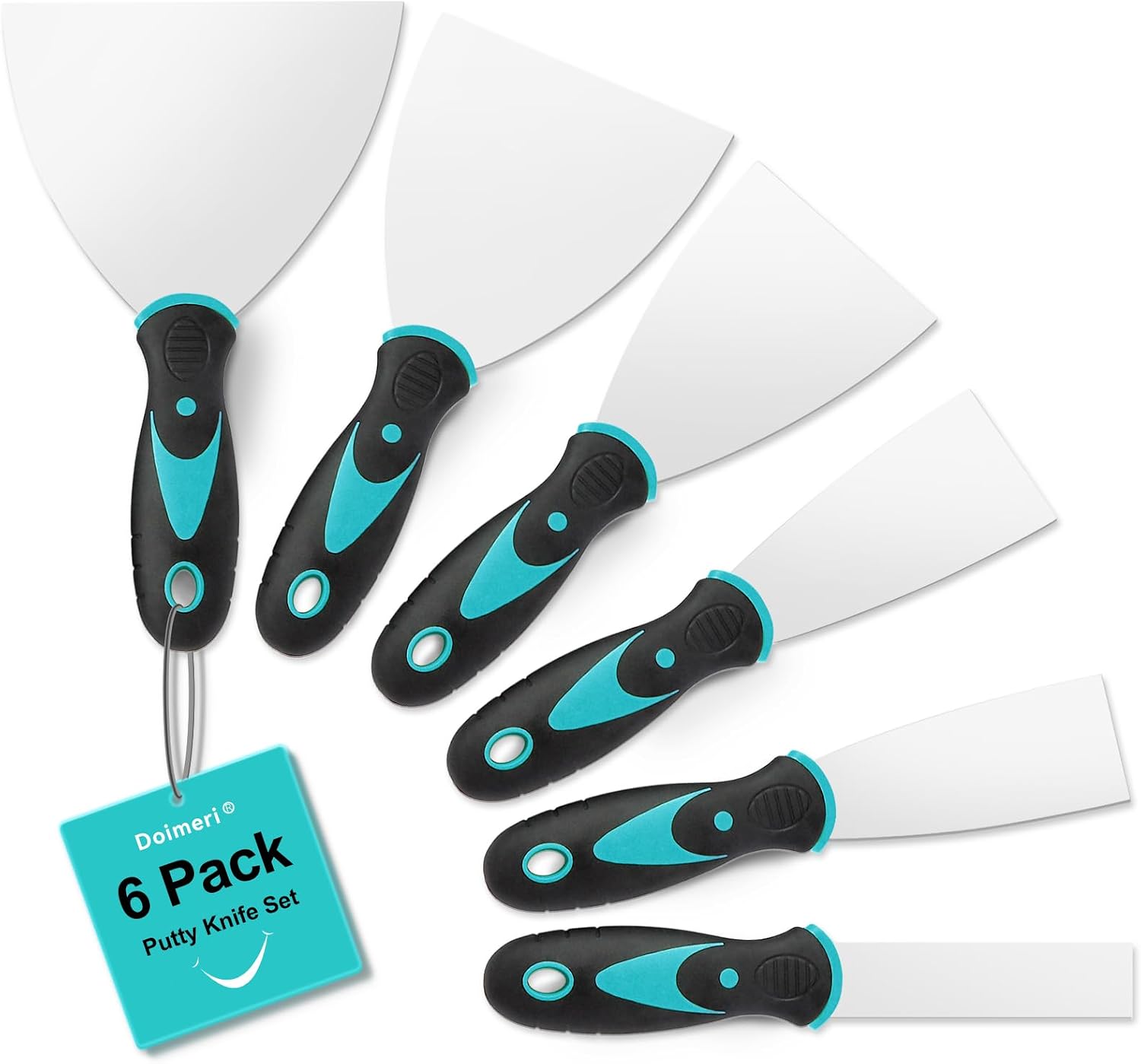
6 Pack Putty Knife, 1” 1.5” 2” 3” 4” 5” Spackle Knives, Premium Stainless Steel Paint Scraper, Perfect Tools for Repairing Drywall, Removing Wallpaper, Applying Mud Plaster
The Nicapa 3-pack is the mat I've switched my entire shop over to, and it's the mat I'd recommend to anyone who asks.
Visit on Amazon →I also checked buyer reports across multiple platforms to see what patterns showed up in other people's shops.
Why your mat isn't sticky anymore
The number one reason your Cricut mat feels like a sheet of wax paper is that it's dirty. The adhesive on a StandardGrip mat is a pressure-sensitive glue that collects lint, dust, paper fibers, and skin oils every time you use it.
After a few projects, that layer of gunk sits on top of the adhesive, and your material is actually sticking to the gunk, not the glue.
The fix is to remove the gunk, not to replace the mat.
The second reason is mat warp. If you store your mats standing up or leaning against something, they bend. A warped mat doesn't feed correctly through the machine, and the material lifts because the mat isn't flat. I've seen this happen to brand new mats that were stored wrong for a week.
The third reason is that the mat is genuinely worn out. This happens after months of heavy use, and no amount of cleaning will bring it back. The adhesive is gone, not covered. You need a new mat.
Our pick: The Nicapa 3-pack
The Nicapa 3-pack is the mat I've switched my entire shop over to, and it's the mat I'd recommend to anyone who asks. At around $16 for three mats, you're paying roughly half of what you'd pay for the Cricut brand, and the performance is identical.
I've had mine for four months of heavy use, and they hold 120-pound cardstock without shifting, they release vinyl without a wrestling match, and they've survived multiple cleaning cycles.
One buyer put it simply: "You can't beat the price for a 3-pack!" Another compared them directly to the name brand and said, "Works just as good as the Cricut brand mats.. Much cheaper alternative and same great quality." I've seen the same thing in my own shop. The stickiness is right, the durability is right, and the price is right.
Flaws but not dealbreakers: The grid lines are slightly less visible than the Cricut brand, which matters if you're doing precision alignment work. And the adhesive is slightly more aggressive out of the box, so I'd recommend pressing your material down with a scraper rather than your hand to avoid over-sticking. These are minor issues that don't affect the core function.
If you're a hobbyist who does a project a week, or a seller who runs production daily, this is the mat for you. You'll stop thinking about mat cost entirely.
Upgrade pick: The Cricut StandardGrip 12x12
The Cricut StandardGrip is the brand mat, and it's good. One Silhouette user actually praised it as superior to their own brand, which tells you the quality is real. The grip holds materials firmly without turning removal into a wrestling match, and it's reusable across many projects. One buyer said, "Definitely better quality and worth the money."
But here's the thing: it's not better than the Nicapa. It's the same performance at double the price. I keep a couple of Cricut brand mats in my shop for specific jobs, but I reach for the Nicapa first every time. The Cricut brand costs around $10 per mat, and the Nicapa costs around $5. The math doesn't work.
Flaws but not dealbreakers: The adhesive wears down with repeated use, just like every other mat. And if you don't store them flat, they warp, which is the same problem you'll have with any brand. The Cricut brand is a fine choice if you catch a sale, but you're paying for the name.
If you're someone who wants the comfort of the brand name and doesn't mind paying for it, this is a solid choice. But if you're watching your cost per cut, the Nicapa is the smarter play.
The scraper method
This is the fastest fix and the one I use most often. Take a scraper tool, the flat one that comes in the Cricut basic tool set, and run it firmly across the entire surface of the mat. This pushes the lint and dust down into the adhesive and redistributes the glue.
It won't fix a mat that's truly worn out, but it will restore grip on a mat that's just dirty. I do this before every project, and it takes about thirty seconds.
The warm water rinse
For a deeper clean, run the mat under warm water. Not hot, warm. Use your fingers or a soft sponge to gently rub the surface, working the lint off the adhesive. Don't use soap, because soap leaves a residue that makes the mat less sticky.
After rinsing, pat it dry with a clean towel and let it air dry completely, sticky side up. This works best on StandardGrip and LightGrip mats.
It won't work on StrongGrip mats, which are designed for heavier materials and don't respond well to water.
One reviewer described the failure mode that leads to this fix: "I had a regular fine point blade that was going dull and I was needing to use a razor blade to finish the cut." The same logic applies to mats. A mat that's lost its grip is a mat that's covered in debris, and a rinse fixes that.
The tape method
If you have stubborn lint or fibers stuck in the adhesive, use a piece of painter's tape or a lint roller to lift them off. Press the tape onto the mat, pull it up, and repeat until the surface is clean. This is gentler than water and works well for mats that have picked up paper fibers from cardstock.
How to make any mat last longer
Store your mats flat. This is the single biggest factor in mat lifespan. A warped mat doesn't feed correctly, and the material lifts because the mat isn't flat. I keep my mats in a flat file drawer, and I've had mats last months longer than ones I used to lean against the wall.
Clean your mats regularly. The scraper method before every project will extend the life of your adhesive significantly. A mat that gets cleaned every few projects will outlast a mat that never gets cleaned.
Buy in bulk. The Nicapa 3-pack means I always have a spare mat ready, and I'm never stuck waiting for a mat to dry after cleaning. One buyer used two mats for wedding DIY and then bought a six-pack for large projects. That's the right approach.
The competition
The Cricut brand mat is the obvious competitor, and it loses on price. The Nicapa costs roughly $5 per mat, and the Cricut costs roughly $10. The performance is the same. The only real advantage the Cricut has is the grid lines are slightly more visible, which matters for precision work.
Other third-party mats are a mixed bag. Some lose their grip quickly, and some have adhesive that's too aggressive and tears your material. The Nicapa is the one that gets consistent praise for getting the balance right. One reviewer said, "The stickiness of these mats is just right, holding materials firmly in place without turning it into a wrestling match when it's time to remove them."
When to throw in the towel
If you've cleaned your mat, scraped it, rinsed it, and it still won't hold material, it's done. The adhesive is gone, not covered. This usually happens after months of heavy use, and it's not a failure of the product. It's a consumable, like a blade or a roll of vinyl. One buyer said it best: "They last forever and are just like the original ones." But forever means months, not years.
If you're a hobbyist who does a project every couple of weeks, a mat should last you six months or more with regular cleaning. If you're running a shop like mine, you'll go through mats faster, and the Nicapa 3-pack is the way to keep your cost per cut low. The moment a mat starts lifting material mid-cut, replace it. The ruined project will cost you more than the mat.