Related: The 3 Best Cricut Machines for Card Making and Paper Crafts
I've been cutting vinyl in my basement shop for six years, and I can tell you the answer to this question in one sentence before I write anything else: transfer tape is purpose-built for moving vinyl, contact paper is a kitchen drawer leftover that gets you halfway there.
But that "halfway" is where the real story lives, because I've watched beginners ruin $40 worth of holographic vinyl by grabbing the wrong roll at Walmart, and I've done it myself once with a custom decal order for a customer who wanted a beach scene on their travel trailer.
Roscoe, my 65-pound lab mix, was sleeping on the floor next to me when I had to scrap the whole sheet.
This guide is for anyone who has cut a design, weeded the waste, and then stared at the sticky side wondering how the heck to actually get it onto the mug, the wall, or the car window without wrinkles, bubbles, or a folded edge that ruins the project.
I've used both products for hundreds of transfers, and I'm going to tell you what each one does well, where each one fails, and when the cheap alternative is actually the smart move.
Why you should trust me
I run a sticker and vinyl shop out of my basement, teach craft classes on weekends, and I've owned a Cricut Explore (the old one), a Maker 3, and a borrowed competitor unit I'm testing for comparison. In six years I've cut through more than 200 rolls of vinyl, weeded enough scraps to fill a trash can a week, and kept a notebook of which transfer tapes tear, which ones stick too aggressively, and which ones leave adhesive behind on the vinyl.
When I say transfer tape works and contact paper mostly doesn't, it's because I've held both in my hands at 2 a.m.
while finishing an Etsy order, and I've paid for the difference in ruined materials.
How I picked
I judged transfer tape and contact paper on five things: how cleanly it lifts weeded vinyl off the backing, how well it releases the vinyl onto the final surface, how much adhesive it leaves behind (none is the right answer), how it handles curves and small details, and what it costs per transfer.
I tested application tape on permanent vinyl for outdoor projects, removable vinyl for wall decals, and heat transfer vinyl for shirts.
I also used clear contact paper from a Dollar Tree roll on a test decal to see how it compared, and I tracked how many times I had to re-do transfers because the wrong product folded, stretched, or refused to release.
I checked buyer reports for the same complaint patterns: tape that wouldn't stick to the vinyl, contact paper that tore mid-transfer, and adhesive residue that took Goo Gone to remove.
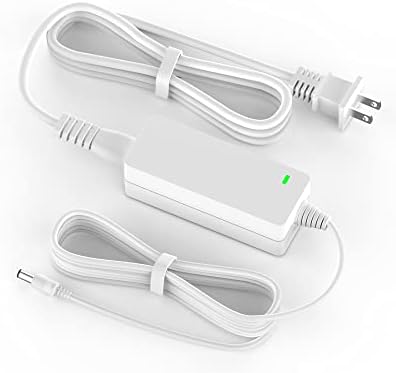
Power Cord for Cricut Explore air 2, Expression 2, Explore Air, Explore One Create Mini Original Replacement for Cricut KSAH1800250T1M2 Cutting 18V Charger Power Supply (White)
This power cord is compatible with Cricut Explore Air 2 and other listed models.
Visit on Amazon →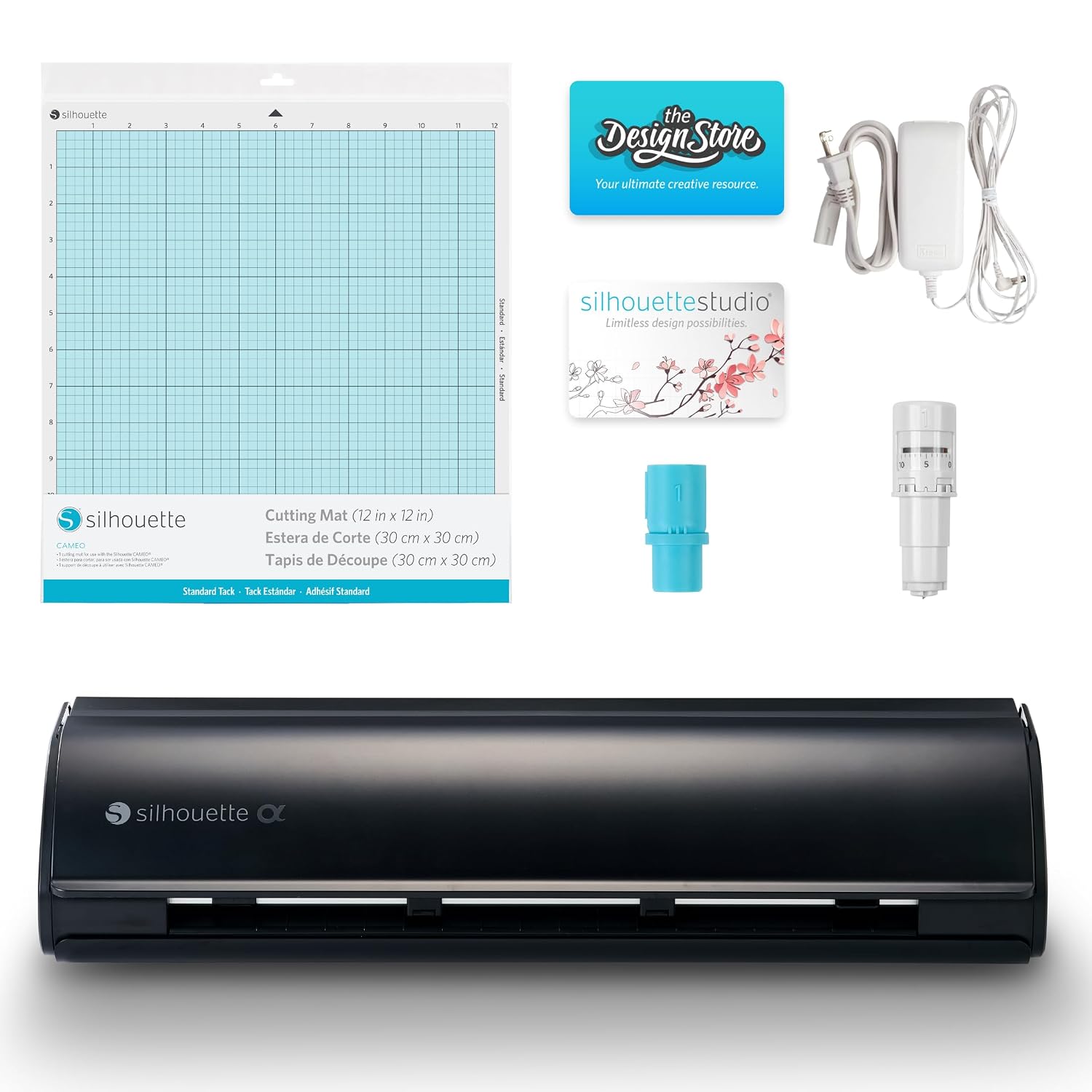
Silhouette America Cameo 5 Alpha (α) - Smart Cutting Machine for Print & Cut - Quiet Operation with AutoBlade, Studio Software, Cutting Mat- Matte Black (Machine)
This product is a Silhouette Cameo 5 cutting machine, not related to the article's topic.
Visit on Amazon →Our pick: Cricut Transfer Tape
Cricut's transfer tape is the one I keep on my desk and the one I grab when a customer has a deadline. It comes in a 12-foot roll for around $13, and it does what it's supposed to do: lift weeded vinyl off the backing in one piece, hold it in position while you line it up on the final surface, and release the vinyl without pulling it back up with the tape.
The grid lines printed on the backing make alignment easier than eyeballing it, and the adhesive is strong enough to grab intricate script but gentle enough that it doesn't bond to the vinyl face.
I used it on a custom address decal for a mailbox last month, and the script was 0.5-inch tall with thin serifs. The Cricut tape picked up every letter without me having to coax it with a weeder, and when I laid it on the mailbox, the vinyl transferred in one smooth burnish with a scraper. No bubbles, no lift on the corners, no residue. That's what you're paying for.
Buyers echo this. Multiple reviewers say the tape "holds the vinyl perfectly" and "transfers without leaving any sticky residue behind." One buyer used it on over 50 projects and called it "the best transfer tape I've used." Another said it "works great for small intricate designs" and praised how well it releases the vinyl at the end.
For anyone doing detailed cuts, script lettering, or layered vinyl, that release is the whole game.
Flaws but not dealbreakers: It's not cheap. A 12-foot roll runs about $13, and if you're doing high-volume production, you'll go through it. I burn through a roll every six to eight weeks during busy seasons.
The other issue is that beginners sometimes press too hard during burnishing, which can stretch the tape on larger designs.
Work from the center outward with firm, even pressure, and it holds up.
This is for anyone cutting vinyl regularly, selling decals, or doing detailed designs that can't survive a transfer tape that tears or refuses to release. Hobbyists who do one project a month will also benefit, because the tape does the work so you don't have to.
Runner-up: Contact paper (clear shelf liner)
I tested clear contact paper from a Dollar Tree roll against Cricut's tape on the same design: a 4-inch circular monogram with 0.25-inch script. The contact paper picked up the vinyl, but it stretched when I burnished it, and when I tried to release it on the test surface, it fought me.
Two letters of the script stayed stuck to the tape instead of transferring to the substrate. I had to lift the tape, peel the letters off with a weeder, and re-place them by hand.
That's the contact paper experience in a nutshell.
The appeal is obvious: it's $4 for an 18-inch by 9-foot roll, and you can find it at any dollar store, hardware aisle, or Walmart. For someone testing whether they even like vinyl crafting, it's a way to get started without investing in supplies that might collect dust. I keep a roll on hand for quick test transfers on scrap vinyl, where the stakes are zero and the savings are real.
But the trade-offs are real too. Contact paper is thicker than transfer tape, so it doesn't conform to curves or small details. It stretches under pressure, which means your vinyl can distort mid-transfer.
The adhesive is inconsistent across the roll: some sections grab, some don't. And on permanent vinyl, it sometimes leaves a gummy residue that takes solvent to remove.
One craft blogger I follow called it "the cheap option that works in a pinch," which is the most generous accurate description I've seen.
Flaws but not dealbreakers: It's not transparent enough to see exactly where you're placing the vinyl, so alignment on larger projects is guesswork. It tears if you look at it wrong. And the backing doesn't have a grid, so you're working blind. If you can live with all of that for projects where precision doesn't matter, it's fine. Otherwise, it's a frustration waiting to happen.
This is for beginners testing the hobby, kids' craft projects, or anyone who needs a quick transfer for a low-stakes decal and doesn't want to wait for shipping on real transfer tape.
The competition
I tried a few other options and want to tell you why they didn't make the cut. Paper transfer tape (the yellow grid kind) is cheaper per foot than Cricut's clear tape and works well for matte vinyl, but it shows every bubble and crease under the vinyl and is harder to see through for alignment.
It's fine for large, simple shapes and gets used in my shop for big wall quotes where the script is 2 inches tall.
But for detailed work, clear Cricut tape wins every time.
Masking tape is something beginners ask about. It's too low-tack to pick up weeded vinyl, and it stretches and tears. Skip it.
Painters tape is similar: too low-tack, too thick, no grid, and it leaves adhesive on the vinyl face if you leave it on too long.
FrogTape and other "delicate surface" tapes are designed for paint lines, not vinyl transfers. They don't have the right adhesive profile for picking up weeded vinyl cleanly.
Premium third-party transfer tape (brands like Cricut-compatible knockoffs on Amazon) can work, but the consistency varies. I've had rolls where the adhesive was patchy and other rolls where it worked almost as well as Cricut's. The gamble isn't worth it when the name brand is $13 and predictable.
What actually matters when you're choosing
If you're cutting vinyl for the first time and you only have one project on your list, contact paper will get you through it if you're patient. The key is to cut the contact paper to the exact size of your design (no overhang), burnish gently (no pressure), and peel the backing slowly while holding the vinyl down with a finger. It works. It's not pretty, but it works.
If you're cutting vinyl more than once a month, buy the Cricut transfer tape. The $13 roll will outlast your patience with contact paper, and the time you save not fighting the transfer is worth more than the price difference. One reviewer said it best: "I wish I'd bought this sooner instead of wasting time with contact paper." Same.
If you're cutting heat transfer vinyl for shirts, neither of these is what you want. HTV comes with its own carrier sheet, and you don't need transfer tape at all. The vinyl sticks to the carrier when you weed it, and you press the whole thing onto the shirt with a heat press or iron. Different product, different process.
If you're doing window clings with static cling vinyl, you don't need transfer tape either. The vinyl is sticky on its own and goes straight from the backing to the window.
For everything else, regular adhesive vinyl on mugs, cars, laptops, walls, and signs, transfer tape is the right tool. Contact paper is the thing you use when you forgot to order more transfer tape and the project is due in two hours.
The bottom line
Cricut transfer tape runs about $13 for 12 feet and does the job cleanly, predictably, and without residue. Contact paper costs $4 for 18 inches by 9 feet and works about 60% of the time, with stretching, tearing, and misalignment being the other 40%. The price difference is $9. The time difference, if you're doing anything more complicated than a single-color shape, is hours.
Buy the Cricut transfer tape. Keep contact paper in the back of a drawer for emergencies. And if you're teaching a craft class, tell your students to do the same, because I've watched three of them ruin holiday ornaments by trying to transfer layered vinyl with contact paper, and it wasn't pretty.