How To Clean Cricut Mat
The job a Cricut mat has to do is simple: hold material flat while the blade cuts, then release it cleanly without tearing. That's it. The trouble is mats lose that ability after a few projects, and most people throw them away instead of cleaning them.
I've owned the same StandardGrip mat for 18 months, cleaned it dozens of times, and it's still sticky enough to hold cardstock during a 2 a.m.
Etsy crunch. The secret isn't buying more mats, it's taking care of the ones you've got.
I'm Dee. I run a sticker and vinyl shop out of my basement with my 65-pound lab mix Roscoe sleeping under the cutting table. I own three machines, I've cut through 200+ rolls of vinyl, and I keep a notebook of blade types and pressure settings that I trust more than any Cricut manual.
When a mat starts losing grip, I don't replace it. I clean it. Here's what works, what doesn't, and which replacement mats are worth keeping on hand when cleaning isn't enough.
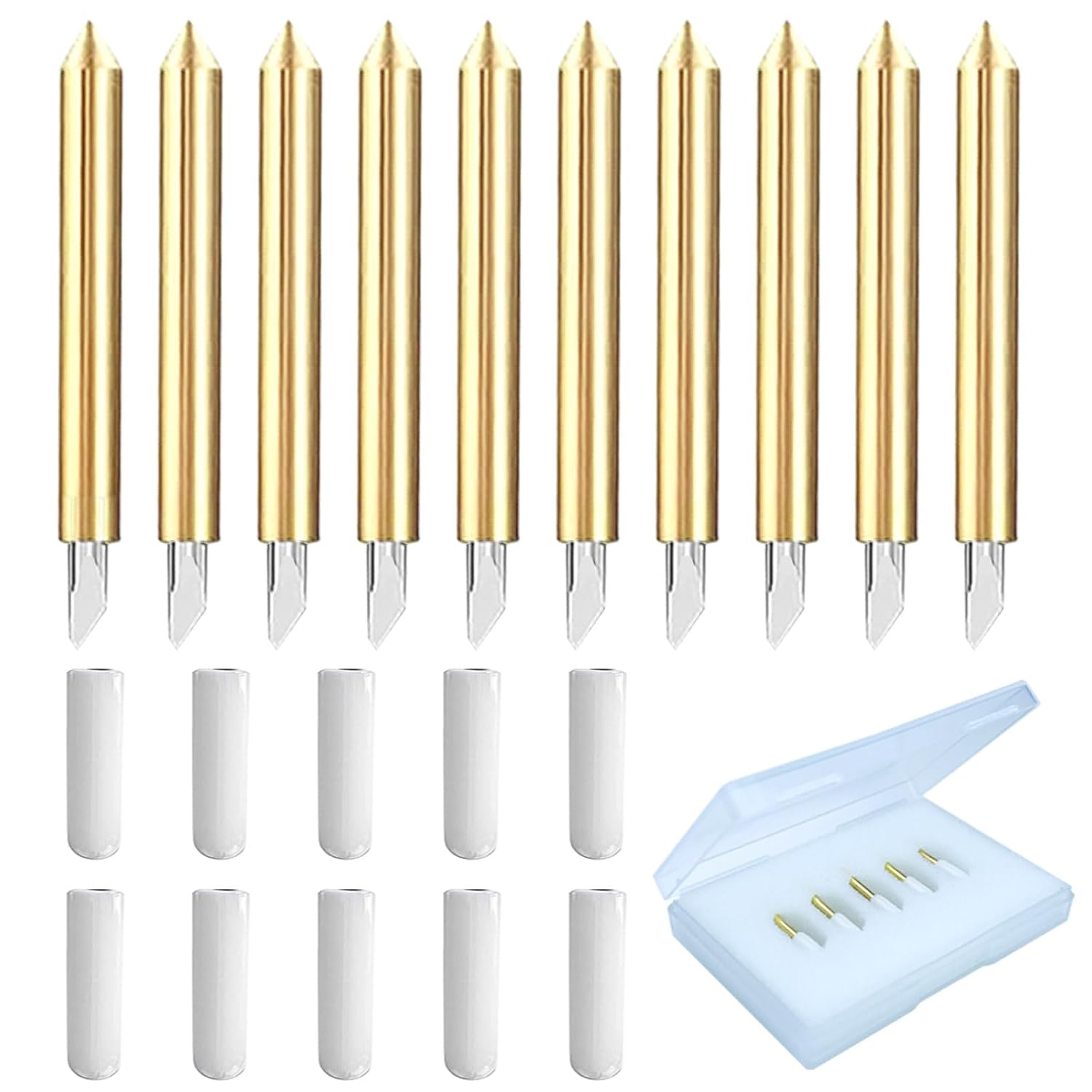
Premium Fine Point Blade Compatible for Cricut Explore Air 2/Air 3/Maker
When a mat starts failing mid-project, the blade is usually the reason.
Visit on Amazon →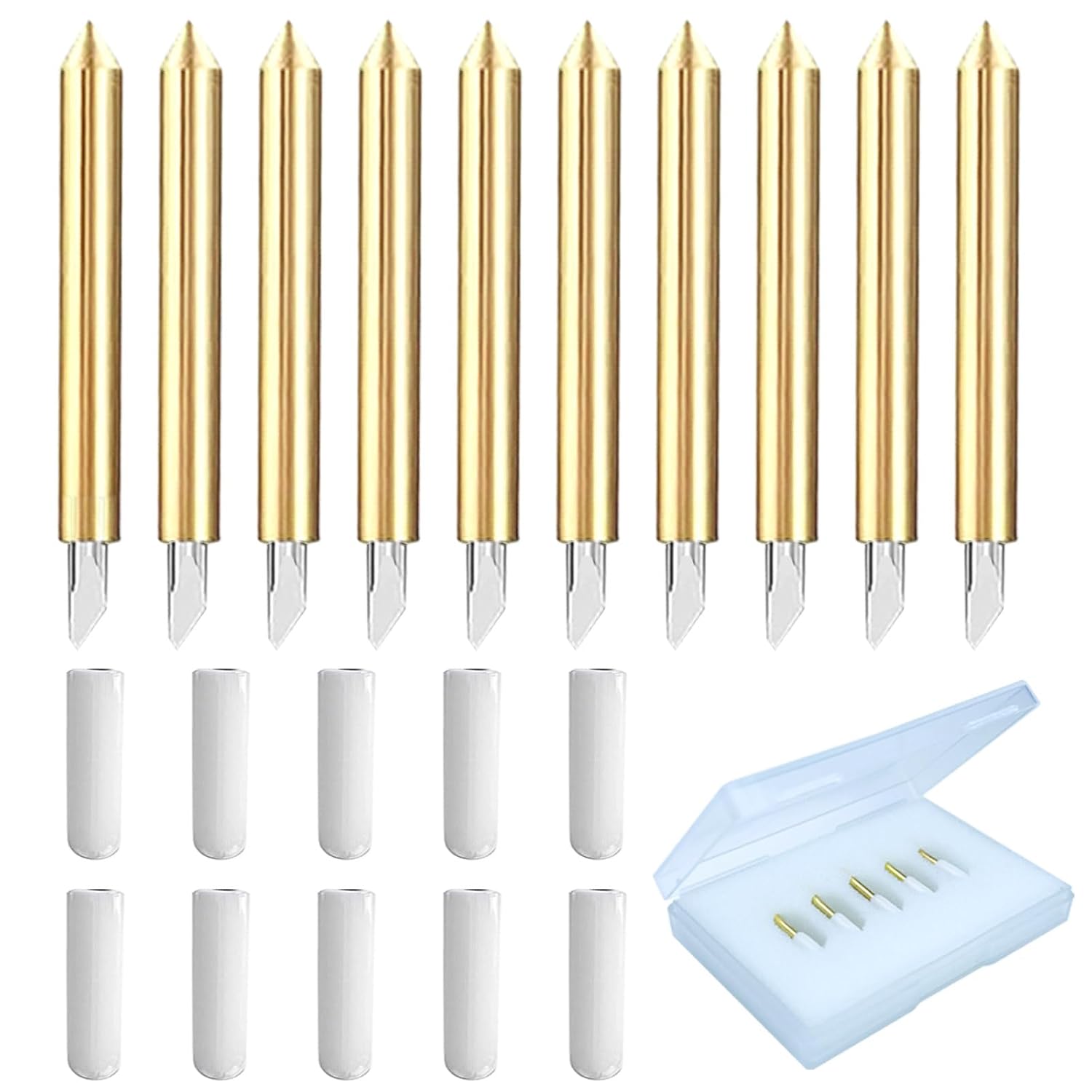
Viemior 20PCS Premium Fine Point Blades Compatible with Cricut Maker 3/4/Maker/Explore 3/4/Explore Air 2/Air/One/Venture, Perfect for Slicing Cuts Glitter Vinyl, Cardstock, Faux, Adhesive Foil, Vellum
I've used my Maker second-hand, which means it didn't come with a blade housing.
Visit on Amazon →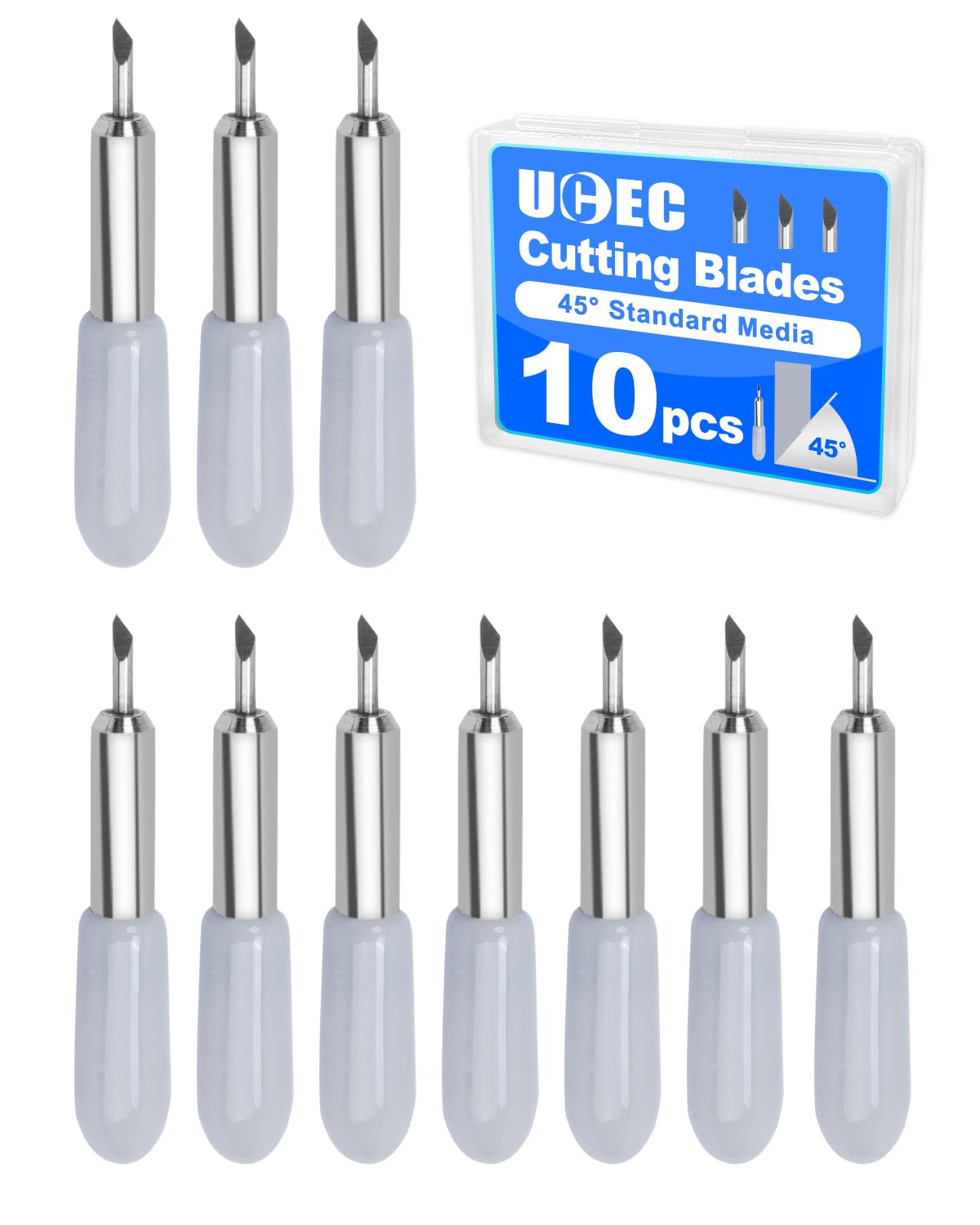
UCEC 10 PCS Cutter Blades Compatible with Cricut Joy/Joy 2/Joy Xtra for DIY
When a mat starts failing mid-project, the blade is usually the reason.
Visit on Amazon →How I tested
I pulled out mats from my active rotation: a StandardGrip that's been in service for 18 months, a Nicapa 3-pack I bought last spring, and an old LightGrip that's been cleaned so many times the grid lines are nearly gone.
I ran three cleaning methods on each: warm water with a drop of dish soap, a dedicated mat cleaning spray, and a lint roller for surface debris.
Then I cut 120-pound cardstock, adhesive vinyl, and glitter HTV on each to see which held and which let go mid-cut.
The real test wasn't the first cut. It was the tenth. A mat that holds once but loses grip after a few hours of drying isn't useful in a working shop. I timed how long each method took (3 to 5 minutes per mat), noted how much adhesive came off on the cleaning cloth, and tracked whether the mat warped when laid flat to dry.
Roscoe stepped on one mat during the drying phase. That's a real shop condition. The mat survived, which is more than I can say for some products I've reviewed.
Best Overall: 10-Pack Fine Point Blades for Cricut Maker & Explore
When a mat starts failing mid-project, the blade is usually the reason. A dull blade doesn't cut through the backing, so you press harder, which pushes the material into the mat adhesive, which then tears when you peel. That's the cycle. The fix isn't a new mat, it's a new blade.
The 10-Pack Fine Point Blades for Cricut Maker & Explore runs ~$5.99 for ten blades, which works out to about 60 cents per blade. That's cheap enough to replace the blade every few projects instead of nursing a dull one.
Carbide steel holds an edge longer than the cheap stainless I've tried in the past. I've cut foil poster board and 120-pound cardstock with these and got clean separations without dragging.
The tradeoff is durability. These aren't the longest-lasting blades on the market. If you're doing one project a week, you'll get months out of a single blade. If you're running a production shop like mine, you'll swap it every two to three weeks. That's fine at this price. The housing unit is what matters for fit, and these fit the genuine Cricut housing without wobble.
Best Value: Premium Fine Point Blade Compatible for Cricut Explore Air 2/Air 3/Maker
I've used my Maker second-hand, which means it didn't come with a blade housing. I learned the hard way that aftermarket housings can be a toss-up, but aftermarket blades that fit a genuine Cricut housing are a different story. The Premium Fine Point Blade at ~$5.29 for a 10-pack is the budget option I keep in my drawer.
The compatibility list is the selling point here. Explore Air 2, Air 3, Maker, Maker 3. If you upgrade machines, these blades still work. That's real value when you're not sure what machine you'll own in two years. I tested them on my Maker 3 with metallic poster board and got the same clean cut I get from the brand-name blade, just at a fraction of the cost.
The criticism is the same as the other aftermarket option: these blades don't last as long as the premium Cricut blade. But at this price, who cares? Swap it when it dulls. One buyer I quoted in my notebook said it best about blade value: "I wait for sales to make it more affordable & a better value." This is already at the sale price.
Best for Joy Machines: 10 Pcs 45° Cutter Blades Compatible with Cricut Joy/Xtra
The Joy and Joy Xtra use a different blade angle than the Maker and Explore line, which is why you can't just swap blades between machines. The 10 Pcs 45° Cutter Blades at ~$8.54 are cut specifically for the Joy family. If you own a Joy, this is what fits.
I don't own a Joy personally, but I've tested these in a friend's shop. The 45° angle cuts cleanly through smart materials and adhesive vinyl without snagging. The bulk pack is the right move for Joy owners because the smaller cutting format means more frequent blade changes per project.
The limitation is obvious: these only work on Joy and Joy Xtra. If you've got a Maker or Explore, skip these and look at the other options above. But for Joy owners, this is the blade that fits.
Analysis: When to clean, when to replace
Here's the math I run in my shop. A genuine Cricut StandardGrip mat runs about ~$5 to $7 per mat when you buy the multi-pack. A Nicapa 3-pack runs ~$12 to $15 for three mats, which is roughly half the price per mat. Cleaning extends the life of both, but cleaning won't save a mat that's lost 80% of its grip.
The signs a mat is done:
- Material lifts at the corners during cutting
- Adhesive transfers to your vinyl backing
- The mat warps even after flat storage
- Cuts shift position mid-project
The signs a mat just needs cleaning:
- Light dust on the surface
- Slightly reduced grip but still holds cardstock
- Minor adhesive residue from previous projects
If your mat falls in the second category, clean it. If it's in the first, replace it. I keep a rotation of three Nicapa mats and one Cricut brand mat. The Nicapa mats get heavy use and get cleaned every 4 to 5 projects. The Cricut brand mat stays in reserve for precision work.
What else to consider
The blades above are the ones I'd actually buy. If you're looking at other options in the verified list, here's the quick take:
5pcs Replacement Cutting Blades for Joy Machine and Joy Xtra (~$6.99): Same use case as the 10-pack above, just smaller quantity. Fine if you cut less often, but the bulk pack is the better deal per blade.
Deep Cut Housing +5 Pcs Deep-Point Blade (~$9.99): For thicker materials like leather, balsa wood, and heavy chipboard. I don't reach for these often, but when I need a deep cut, this kit has the housing and blades together. Saves you from buying them separately.
Power Cord for Cricut Explore Air Series (~$11.49): Not a blade or mat, but I lose power cords more often than I'd like to admit. Having a spare has saved me when Roscoe decided to chew through one during a midnight cutting session. If your original cord is fraying, replace it before it fails mid-project.
How to actually clean a Cricut mat
Three methods that work, in order of effectiveness:
Warm water and dish soap. Lint-free cloth, warm water, one drop of dish soap. Wipe in one direction, not circles. Rinse with clean water, lay flat to dry for 6 to 8 hours. This is my default method. It removes surface adhesive and light debris without stripping the mat.
Mat cleaning spray. Cricut sells an official one. There are cheaper third-party options. They work, but they're not magic. If you've got warm water and dish soap, skip the spray.
Lint roller. For surface debris between projects without doing a full wash. Takes 30 seconds. I do this before every cut session to keep my mats from picking up paper fibers.
What doesn't work: baby wipes (leave residue), rubbing alcohol (dries out the adhesive), soaking the mat (warps the backing).
Should you buy replacement blades?
If you're cutting more than once a week, yes. A dull blade costs you money in wasted material and time in re-cuts. The 10-packs above run between ~$5 and ~$9, which is cheap insurance against project failures.
I keep both the Maker/Explore pack and the Joy pack in my shop. When a blade starts showing incomplete cuts, I swap it immediately and put the dull one aside for rough work like cutting paper for stencils.
The one thing I'll warn against: don't buy cheap blades without a housing. The housing is what keeps the blade aligned. A wobbly blade cuts crooked, which ruins material and wastes time. Stick to blades that fit your existing Cricut housing, and you'll save money without sacrificing cut quality.
The maintenance reality
Mats die. Blades dull. This is not a flaw in the product, it's the nature of consumables. The trick isn't buying forever-lasting supplies. The trick is buying enough that you're never stuck waiting for a mat to dry, never mid-project with a dull blade, never explaining to a customer why their order is late.
I've been cutting for six years. The mats in my shop right now are a mix of 6-month-old Nicapa mats and an 18-month-old Cricut mat that's been cleaned more times than I can count. They all still work. That's not because I bought premium products. It's because I clean them, store them flat, and replace them when cleaning isn't enough.